Pressure washing can make siding, driveways, patios, decks, fences, and storefronts look cleaner, but the method used matters. Pressure washing may seem simple from a distance, yet high-pressure water can damage surfaces or cause injury when it is handled the wrong way. Property owners should compare the full picture before deciding whether to rent a machine or hire a trained crew.
- Pressure washing can remove dirt, algae, mildew, oil stains, and surface buildup.
- DIY work may save money upfront, but mistakes can lead to repair costs.
- Professional service can be a better fit for large jobs, delicate surfaces, and heavy buildup.
DIY vs Professional Pressure Washing Differences
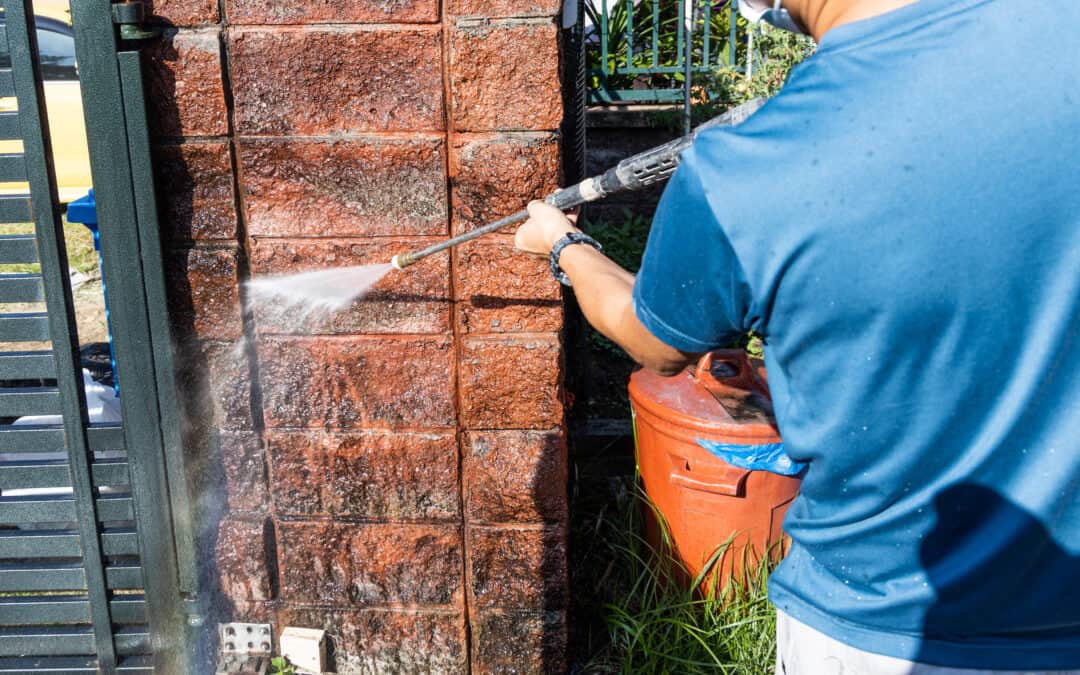
DIY pressure washing often starts with a rented machine, a free weekend, and a plan to clean the driveway or siding before the weather changes. A common example is a homeowner who begins on concrete, feels confident, then moves to painted trim or old wood without changing the nozzle, distance, or pressure, and the surface ends up etched or stripped. Professional pressure washing crews usually bring stronger equipment, surface-specific methods, and a better understanding of when soft washing is safer than high pressure. The CDC NIOSH warns that pressure washers can cause serious injuries because the strong spray can break the skin and damage tissue.
- DIY pressure washing may work for small, durable areas when the user understands the surface.
- Professional pressure washing can reduce the risk of damage on siding, roofing, older wood, and painted surfaces.
- Surface type should guide the cleaning method, not just the machine setting.
1. Equipment Power Can Change the Outcome
Pressure washing machines are not all the same, and power levels can vary widely between consumer rentals and professional systems. A homeowner may have enough force for light driveway buildup, but not enough control or flow for larger surfaces, heavy stains, commercial sidewalks, or stubborn organic growth. Professional pressure washing crews often use adjustable equipment, surface cleaners, longer hoses, controlled nozzles, and detergents matched to the job. The Occupational Safety and Health Administration notes that pressure washers can be dangerous and require safe handling around high-pressure spray.
- Consumer machines may be suitable for smaller concrete or patio cleaning tasks.
- Professional equipment can cover larger areas more evenly.
- Adjustable pressure helps protect surfaces that can be damaged by too much force.
2. Technique Matters More Than Many People Expect
Pressure washing technique includes spray angle, nozzle choice, distance from the surface, water flow, cleaning solution, dwell time, and rinsing pattern. DIY users may move too close, stay in one spot too long, or use the wrong nozzle, which can leave stripes, gouges, or uneven marks. Professional pressure washing relies on controlled movement and surface knowledge, especially when cleaning siding seams, wood grain, pavers, brick, stucco, and concrete edges. The EPA explains that the key to mold control is moisture control, which matters when cleaning areas where water can enter gaps or linger.
- Improper technique can leave streaks, etching, splash marks, or missed patches.
- Professionals adjust distance and spray angle to match the material.
- Soft washing may be safer than pressure washing for roofs, painted trim, and fragile surfaces.
3. Safety Risks Are Easy to Underestimate
Pressure washing can create risks for the person cleaning and for nearby people, pets, plants, windows, outlets, and painted surfaces. High-pressure water can cause deep skin injuries, flying debris can hit the eyes, and slippery surfaces can increase fall risk during or after cleaning. Professional pressure washing crews usually use protective gear, safe work zones, ladder precautions, and surface testing before cleaning begins. CDC NIOSH states that pressure washer injuries may appear minor at first but can lead to infection, disability, or amputation if not treated properly through its pressure washer safety guidance.
- Eye protection, gloves, closed-toe footwear, and stable footing matter during pressure washing.
- Children, pets, and bystanders should stay away from active cleaning areas.
- Injuries from high-pressure spray should receive medical attention right away.

4. DIY Costs Can Grow After Equipment Rental
DIY pressure washing may look cheaper at first because the main cost appears to be the rental machine. The real cost can include cleaners, fuel, extension hoses, protective gear, surface attachments, extra time, water use, and repair costs if siding, paint, wood, or windows are damaged. Professional pressure washing usually costs more upfront, but the service may include equipment, cleaners, experience, insurance, labor, and surface-specific planning. EPA WaterSense explains that household leaks can waste nearly 10,000 gallons of water each year, which makes checking hoses and connections useful before any water-based cleaning project.
- DIY costs may include more than the machine rental fee.
- Damaged surfaces can erase any savings from doing the work alone.
- Professional pricing may include labor, cleaning agents, equipment, and risk planning.
5. Time and Effort Can Be Much Higher With DIY Work
Pressure washing takes longer when a person is learning the machine, moving hoses, testing nozzles, protecting plants, clearing furniture, and cleaning in sections. A driveway, fence, patio, or storefront may look like a short project, then stretch into hours when stains require several passes. Professional pressure washing crews often finish faster because they understand setup, surface order, rinsing flow, and cleaning solution timing. The EPA explains that stormwater can carry pollutants, which means runoff planning should be considered when washing outdoor surfaces.
- DIY projects can take longer when setup and cleanup are included.
- Professionals can work in a planned order that reduces repeat passes.
- Runoff control matters when cleaning oil, dirt, detergents, or loose debris from hard surfaces.
6. Results May Look More Even With Professional Cleaning
Pressure washing results depend on consistency, pressure control, surface preparation, and rinse quality. DIY users may create bright lines where the wand overlaps, leave patches of grime in corners, or miss areas where detergent needed more time. Professional pressure washing can produce a more even finish because the equipment and technique are usually better matched to the material. The National Association of Realtors recommends using a pressure washer on outdoor areas when preparing a home for sale.
- Uneven DIY cleaning can leave stripes, blotches, or visible wand marks.
- Professional surface cleaners can help make large concrete areas look more uniform.
- Better results can improve curb appeal before photos, guests, or property showings.
7. Surface Type Should Guide the Choice
Some surfaces handle pressure washing better than others. Concrete, brick, and stone may tolerate stronger cleaning when they are in good condition, while roofing, older wood, soft siding, painted trim, windows, and stucco may need lower pressure or a soft wash method. Professional pressure washing is often the safer choice when the surface is old, delicate, elevated, stained, or close to electrical fixtures. The EPA says mold can grow on almost any surface when moisture is present, based on its mold and moisture guidance.
- Concrete and some masonry surfaces may handle stronger cleaning than wood or shingles.
- Soft washing can be better for roofs, painted areas, and fragile materials.
- A test area can help prevent visible damage before cleaning the full surface.
Choosing the Right Pressure Washing Method
DIY pressure washing can make sense for smaller, lower-risk jobs when the surface is sturdy and the person using the machine understands the settings. Professional pressure washing is often better for large areas, tall walls, commercial properties, roofs, delicate finishes, heavy algae, mold, oil stains, or property preparation before a sale. The right choice depends on surface type, safety concerns, time, budget, and the cost of possible mistakes. Property owners should also think about runoff, plants, windows, electrical outlets, and nearby people before any cleaning begins.
- DIY may work for small patios, newer concrete, and light buildup.
- Professional service may be safer for roofs, siding, older wood, and large jobs.
- Pressure washing should always be planned around safety, surface protection, and water runoff.

Key Takeaways About DIY vs Professional Pressure Washing
DIY vs professional pressure washing comes down to more than cost. Equipment power, technique, safety, surface type, time, and result quality all affect the final outcome. Pressure washing can protect curb appeal and remove buildup, but the wrong method can damage siding, wood, roofing, paint, windows, plants, or concrete. Professional pressure washing may cost more upfront, yet it can reduce risk and deliver more consistent results when the job is complex.
- DIY pressure washing may be suitable for small and durable surfaces.
- Professional pressure washing is often safer for delicate, tall, stained, or heavily soiled areas.
- High-pressure water can cause serious injury when handled incorrectly.
- The wrong nozzle or pressure can damage siding, wood, roofing, and painted surfaces.
- Runoff planning helps reduce the spread of dirt, cleaning agents, and pollutants.
- Professional cleaning can create a more even finish on large areas.
Frequently Asked Questions
Can DIY pressure washing damage siding?
DIY pressure washing can damage siding when pressure is too high, the nozzle is too close, or water is sprayed into seams. Softer materials may need low pressure or soft washing.
Which surfaces are better left to professionals?
Roofs, older wood, painted trim, stucco, second-story walls, delicate siding, and heavily stained areas are often better handled by professionals. These surfaces can be damaged by the wrong pressure or cleaner.
Is professional pressure washing worth the cost?
Professional pressure washing can be worth the cost for larger jobs, sale preparation, heavy buildup, commercial properties, and surfaces that need careful treatment. It may also reduce the chance of expensive mistakes.
What safety gear is needed for DIY pressure washing?
Protective eyewear, gloves, sturdy shoes, long pants, and careful footing are important. People should also keep children, pets, and bystanders away from the cleaning area.
Should a roof be pressure washed?
Many roofs should not be cleaned with high pressure because shingles and other roofing materials can be damaged. Soft washing or a low-pressure method is often safer when roof cleaning is needed.